Ilija Bašičević Bosilj (born 1895, Šid, Austria-Hungary – died 1972, Šid, Yugoslavia)

Born into a peasant family, Ilija spent most of his life working his land and his vineyard. During World War II he was forced to flee his hometown for Vienna, after the Ustaša regime of the Independent State of Croatia sentenced him and his two sons to death. In Vienna he worked in a labour camp at a factory producing aircraft parts for Messerschmitt, and in his free time he visited museums, spending particularly long hours at the Kunsthistorisches Museum. Through these visits Ilija came to sense a special dimension of art, as a higher, spiritual sphere of human life. Before long he contracted severe tuberculosis and had to return home.

Before leaving Vienna, he enrolled both of his sons at the University of Vienna. Back in Šid, the illness forced him to slow down his life of hard work. Confined to his bed for months, he read passionately. He was especially drawn to the works of Fyodor Dostoevsky, the Indian epics the Mahabharata and the Ramayana, the Bible, as well as contemporary authors whose books his sons brought into the family library. From an artistic point of view, this was a phase of sublimation, in which Ilija came to understand his personal experience of tragedy as a universal one.

After the communist authorities confiscated his land, Ilija began a new chapter of his life: he started to paint. From 1957, when he made his first drawings, until his death in 1972, Ilija was a painter.

Because his elder son was the well-known art critic Dimitrije Bašičević (today far better known as the internationally acclaimed conceptual artist Mangelos), many doubted that Ilija was really the author of his paintings. In 1965 he was therefore required to paint in front of a commission in Zagreb – a case without precedent in art history, in which an artist had to prove that he was the true author of his own work.

In 1970 Ilija donated 300 of his works to his hometown of Šid in order to found a museum, with a clearly defined vision: that it should be a place of culture for young people.
WORK


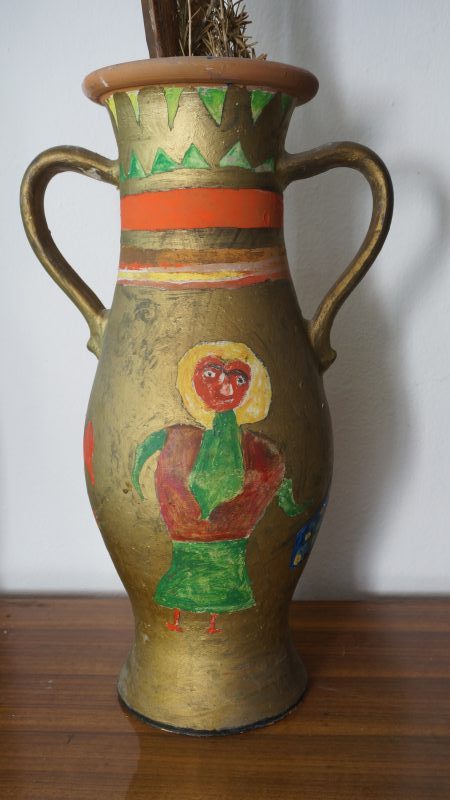
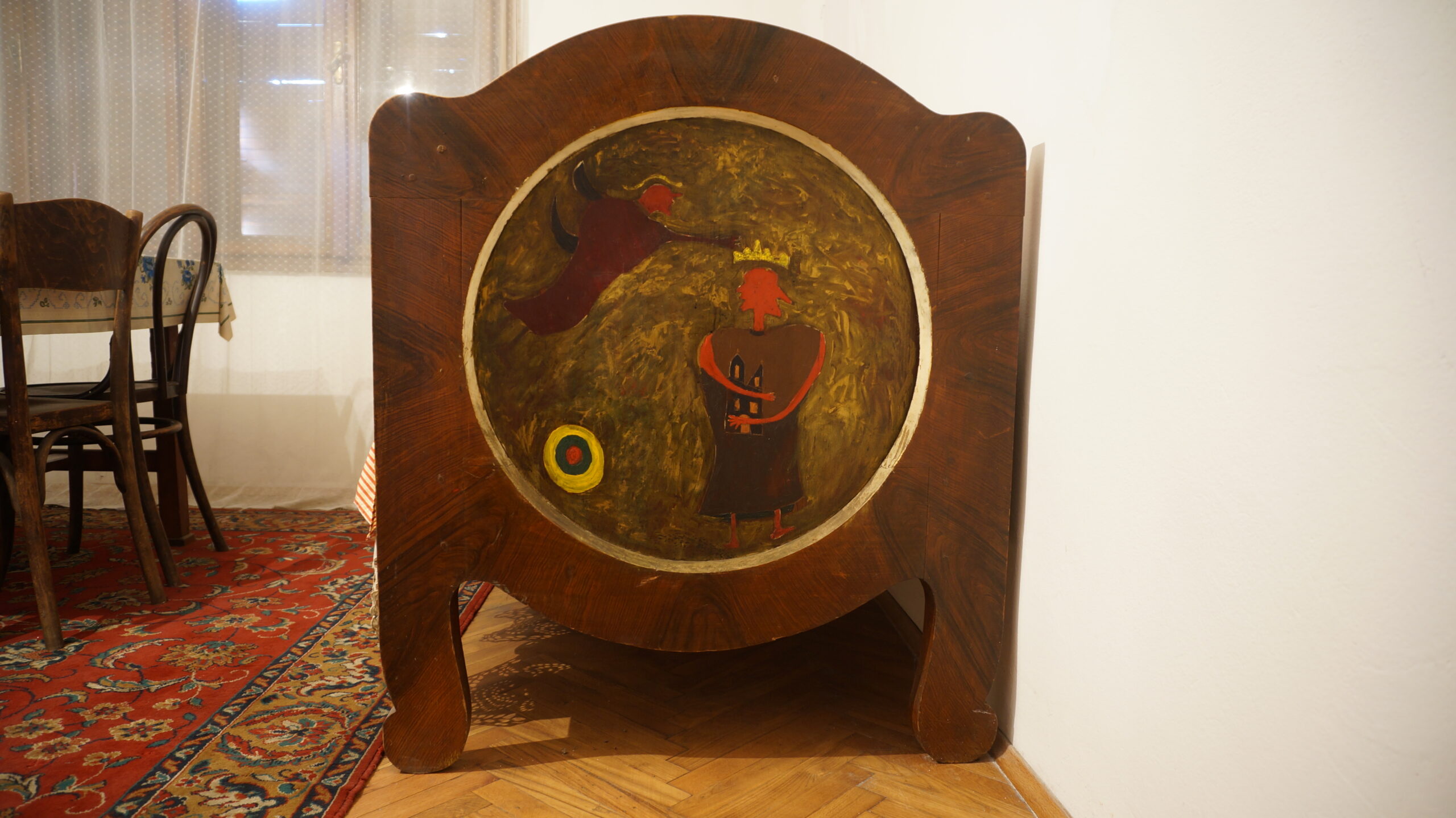
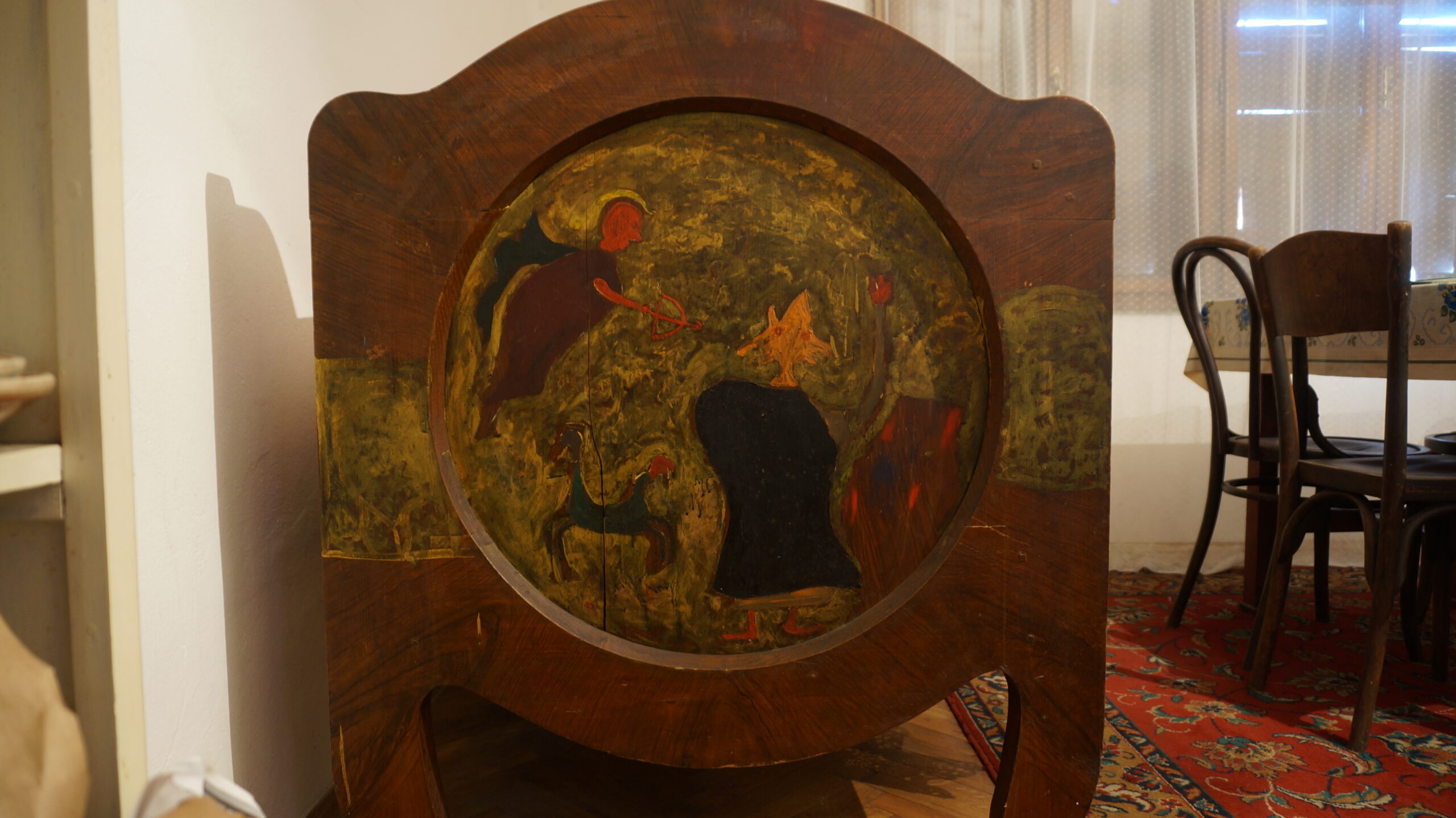
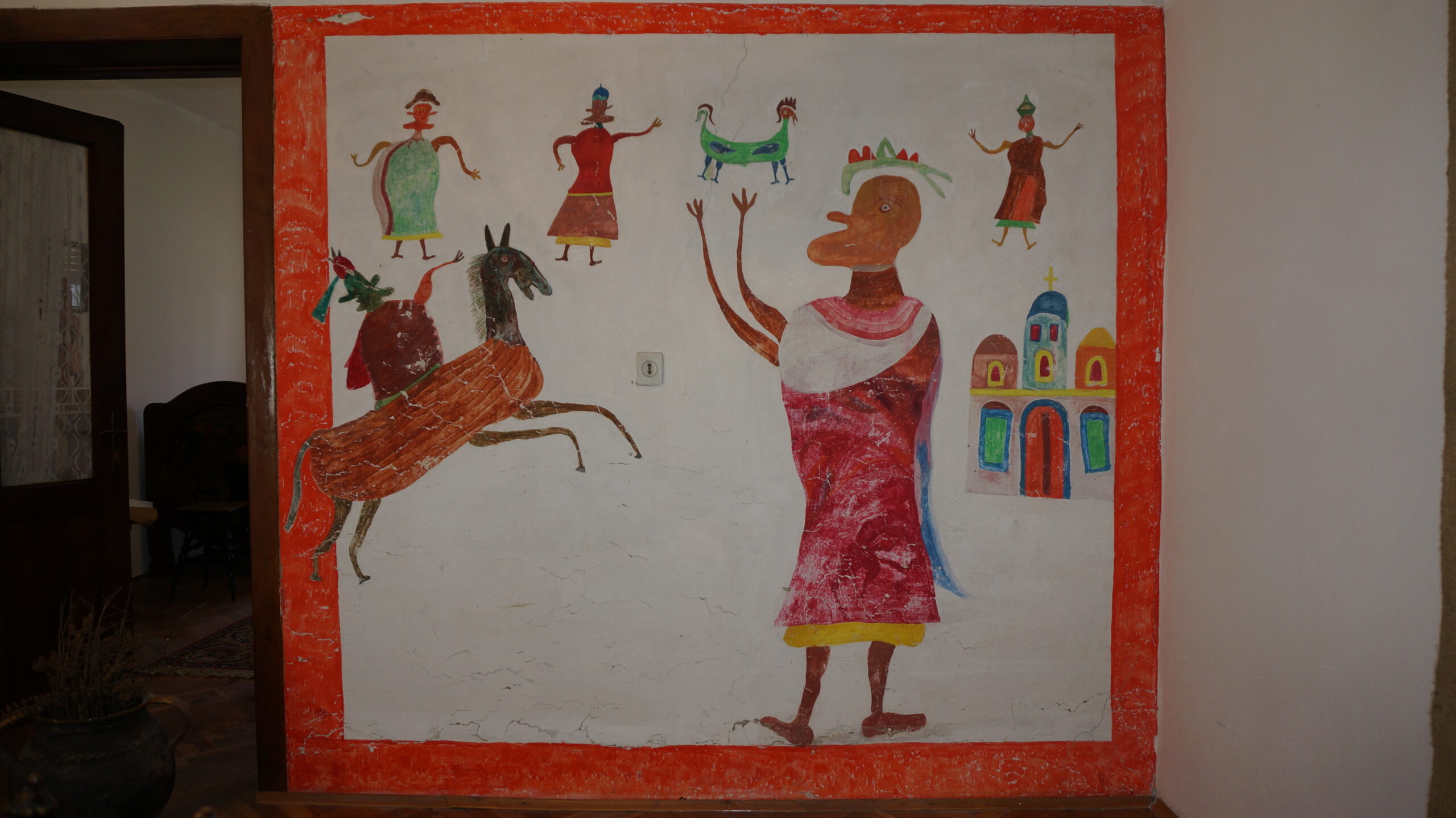
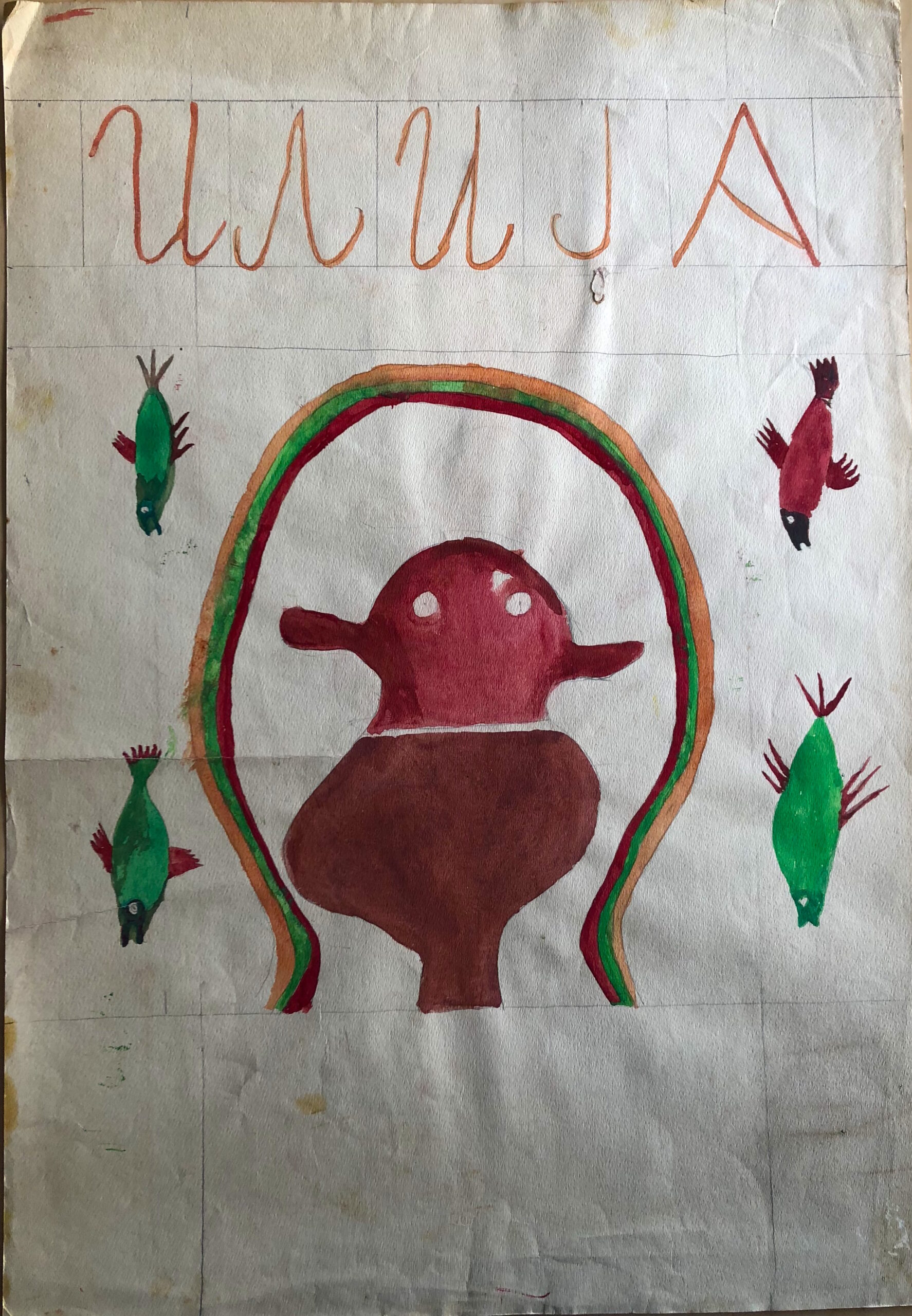
Ilija painted passionately, every day and often late into the night. Art became both his religion and his profession. His works were exhibited internationally, and very early on he signed his first professional contract, with Galerie Hilt in Basel. In 1963 Jean Dubuffet acquired seven of Ilija’s paintings (now part of the Collection de l’Art Brut, Lausanne). Max Bill and the prominent Italian film producer Carlo Ponti included Ilija in their private collections. Ilija was also championed by the two leading scholars of European naïve art, Anatole Jakovsky and Oto Bihalji-Merin. Bihalji-Merin hailed him as one of the most powerful and original self-taught painters of the postwar period.

From the very beginning of his artistic career, however, critics recognised that Ilija did not belong to the naïve art movement – it was only his position as a self-taught artist that linked him to that label. With a major retrospective marking the centenary of the artist’s birth in 1996, the Museum of Contemporary Art of Vojvodina finally corrected this historical error and brought Ilija into the canon of contemporary art.

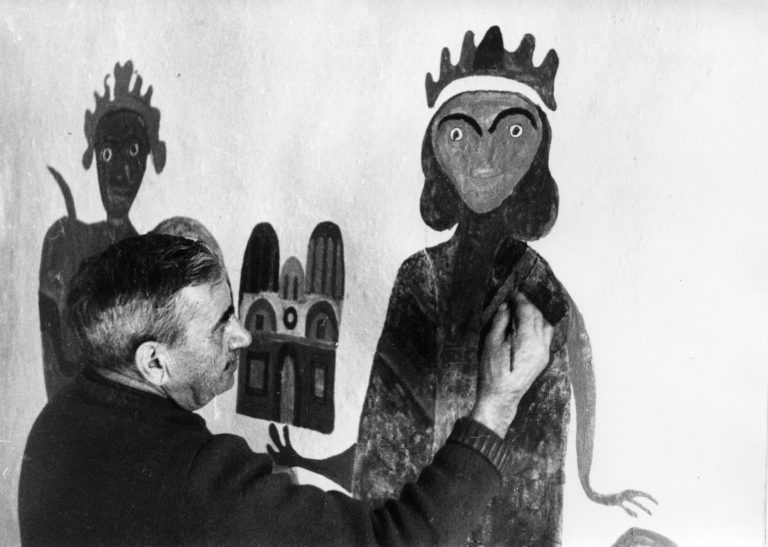
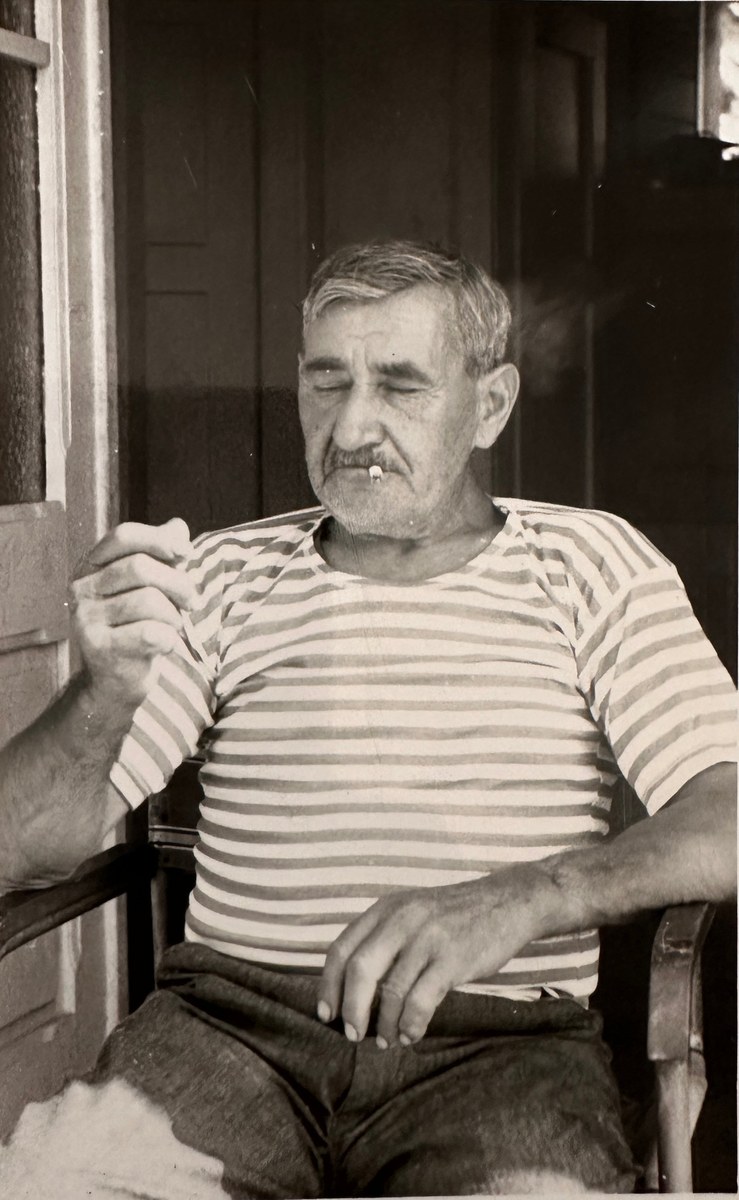
Ilija Bašičević Bosilj in Basina, island of Hvar, Croatia, 1960

Ilija in Basina, island of Hvar, Croatia, 1960

Ilija made more than 2,000 paintings and drawings, a significant part of which is held by the Ilija&Mangelos Foundation in Novi Sad,  Zander Collection in Köln and Ilijanum museum in Šid, Serbia. In 2007 the London-based magazine Raw Vision named Ilija one of the 50 classics of art brut worldwide. His paintings have been exhibited on several occasions alongside works by Picasso, Klee, Kandinsky, Chagall, Darger and Rousseau.

“ilija made his own world like

a new construction that followed

a previous destruction after some

preceding destruction

which is not seeable though.

whether we call it a construction or reconstruction

– the world is – in all likelihood – original…” Mangelos


“The paintings signed Ilija (in Cyrillic letters) by a shaky hand have been, ever since they appeared back in 1957, an inexplicable mystery for their numerous critics who can claim with certainty only one thing about these paintings: they exemplify a stunningly high-quality art, which evades all constraints of its origin, stylistic classification, historical movement and cultural context…

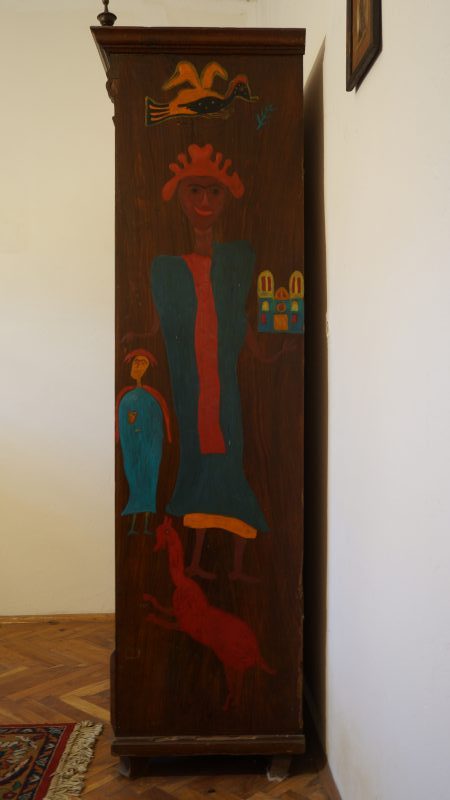
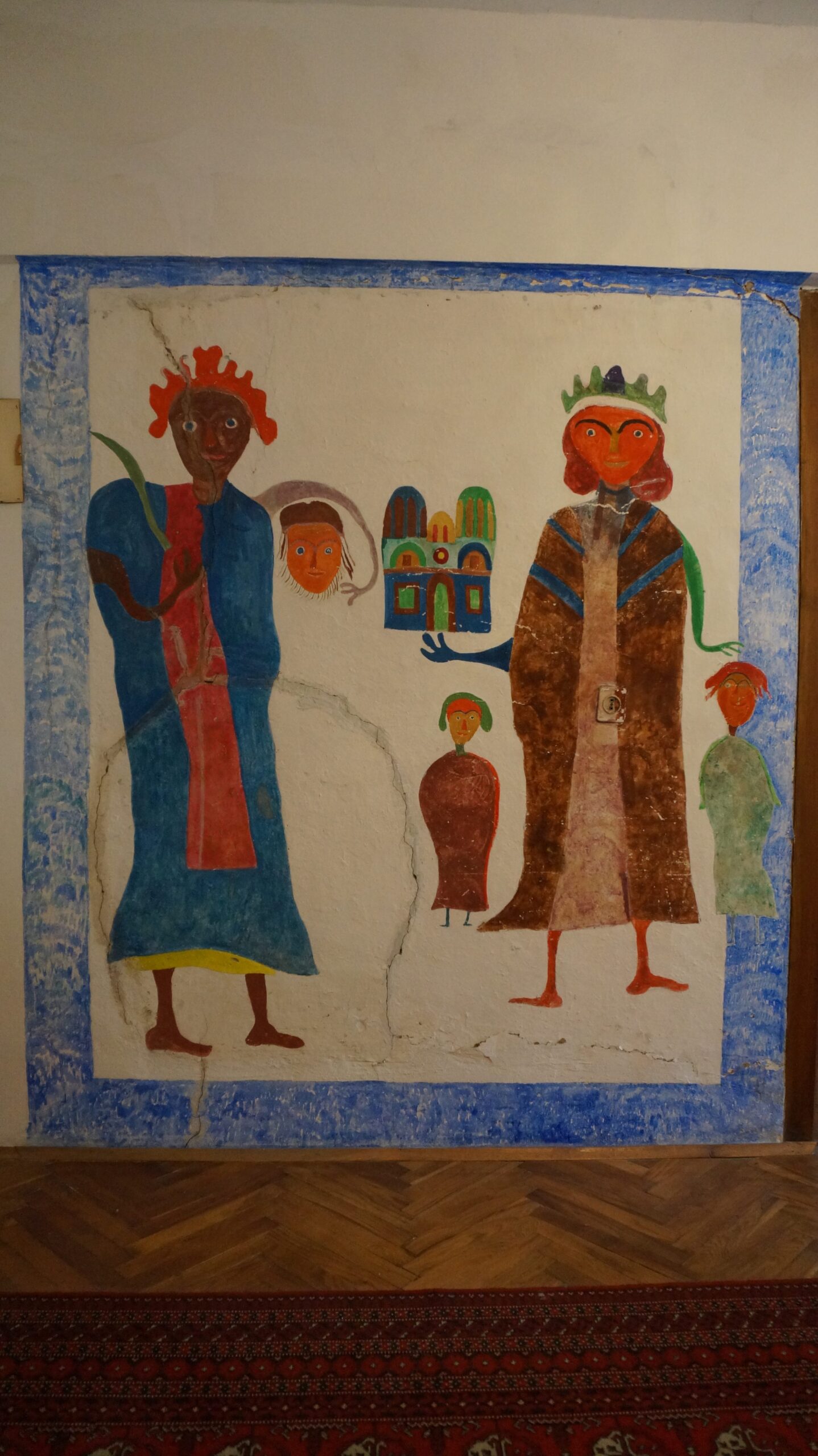
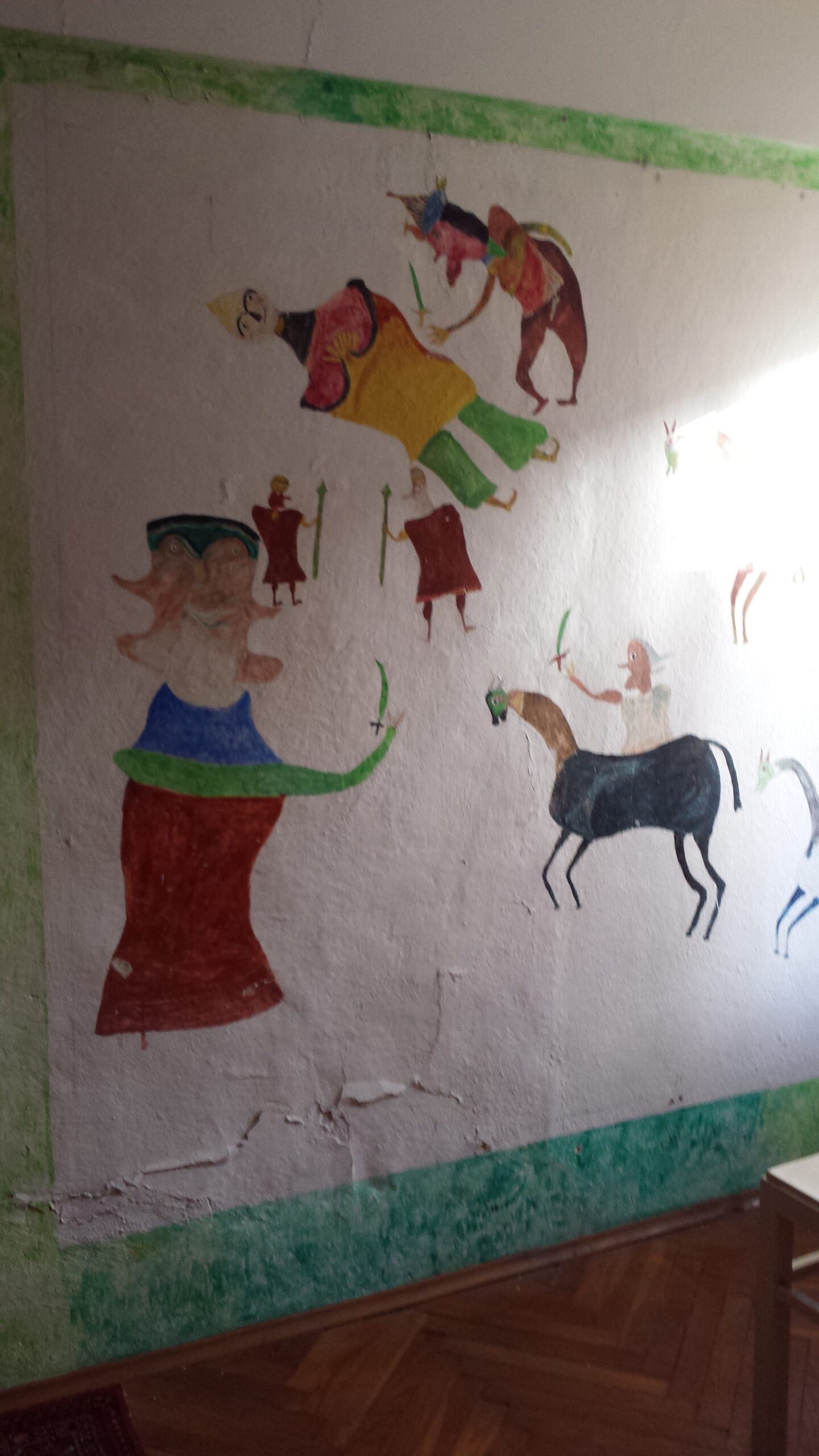
The scenes and figures which have no recognizable features of our world are introduced (distributed, or lined alongside, above or beneath each other) on a strictly two-dimensional plane in which there is not a single trace of spatial illusionism and where the substance of color applied with extreme sensitivity is the direct bearer of the expression and sensibility, or in a word, of the very fascination of the painting. Bosilj’s paintings are indeed painted or visualized stories, but in these paintings which fundamentally speak of the two-sided human destiny and the two-faced human nature (life-death, good-evil, beautiful-ugly, truth-lie, etc.), which are existential basics, all narration is condensed into emblematic figures, archetypal images and timeless symbols…

Whether Bosilj is a supposedly “naïve” artist, or some other kind, is totally irrelevant today, at the end of a century which has seen enormous extremes in art, but also great achievements within those extremes, what matters is that Bosilj is a very idiosyncratic artist, who is easily recognizable as such in the contemporary world of art in general.”

Ješa Denegri

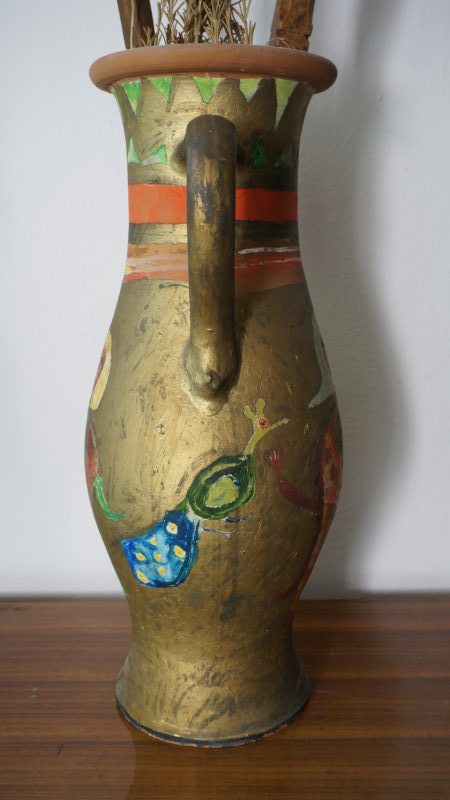
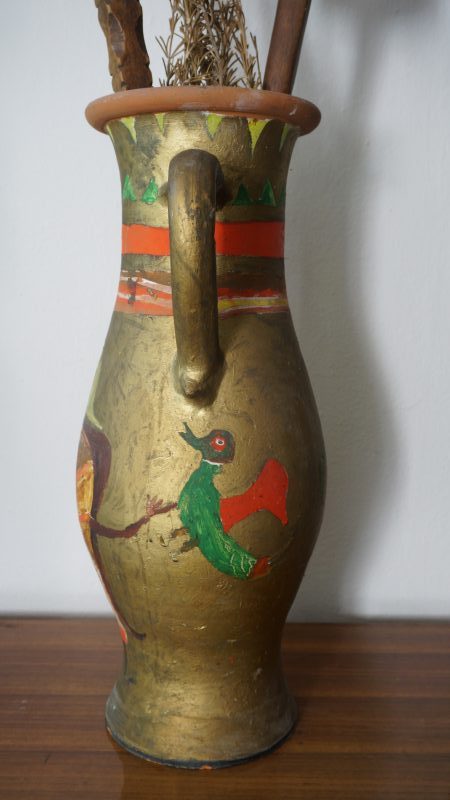
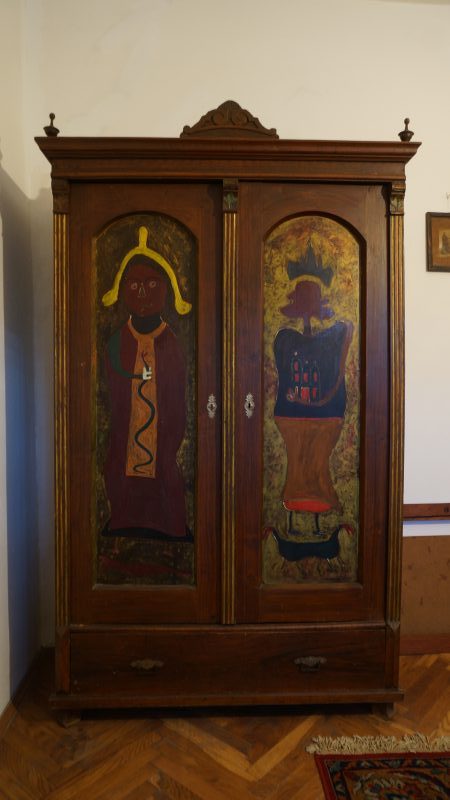
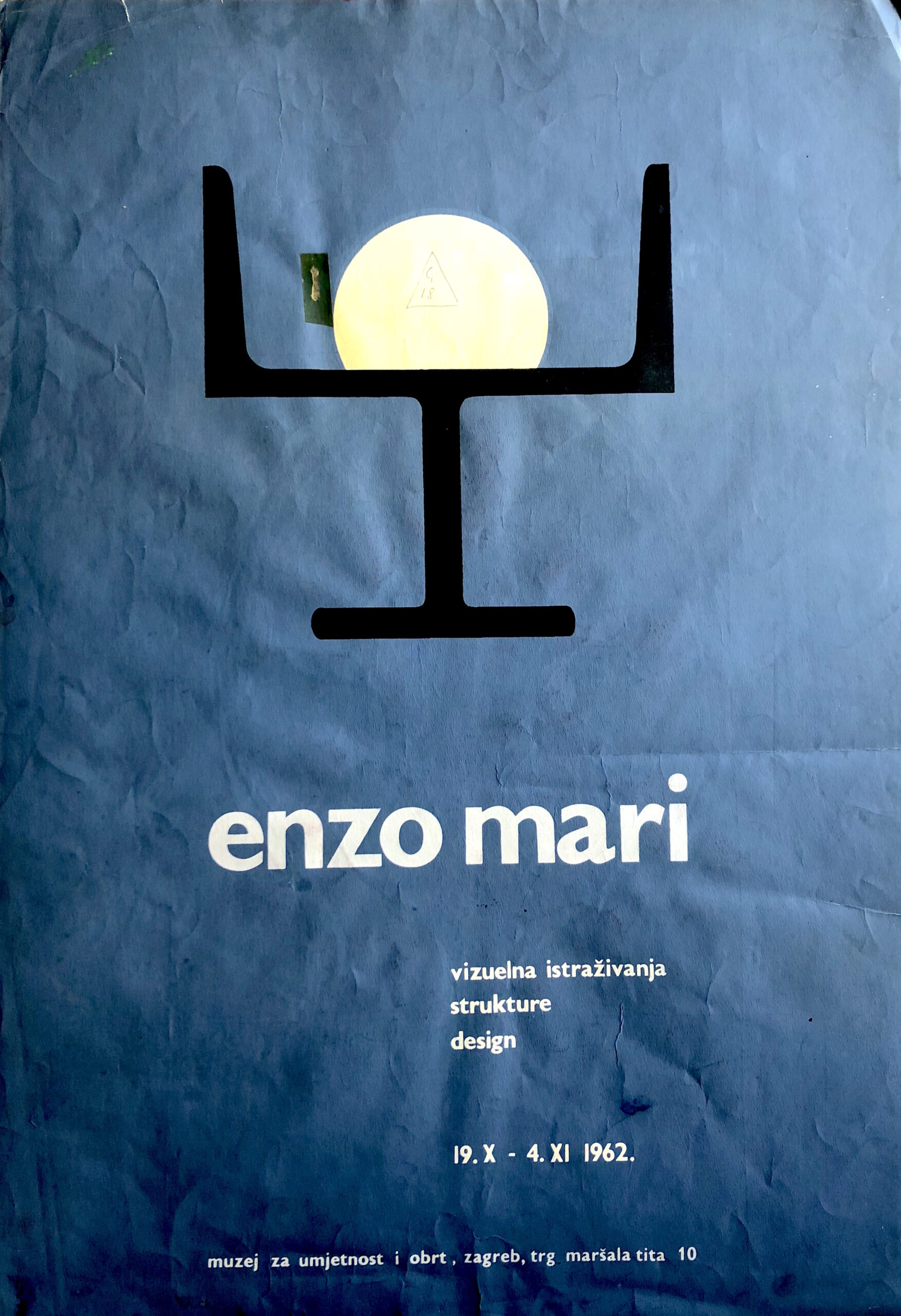
Ilija often painted on unconventional materials, such as pieces of wood he found around the house or books from his library. He even painted on exhibition posters.